Store brand in a c-store is a control tool, not a CPG company
Ice, water, a simple chip, a bun. The programs that work admit they cannot own grocery’s scale.
Grocery private label works because the retailer already owns the aisle and the circular. Convenience private label works when the banner owns the trip and can stand behind a SKU that a national brand is overcharging for — ice, water, a simple chip, a foodservice bun. It fails when a chain tries to clone a flavor-of-the-month national launch with no quality story and no volume. A 2,800-square-foot box cannot become a CPG company. It can own a control SKU.
The operators who get this right treat store brand as architecture. Price ladder. Pack size the national brand will not match. A product the supermarket down the road cannot out-feature on a Sunday circular because the trip already happened at the pump. They do not treat the bag as a way to win a grocery share ranking they do not compete in.
What a banner can actually own
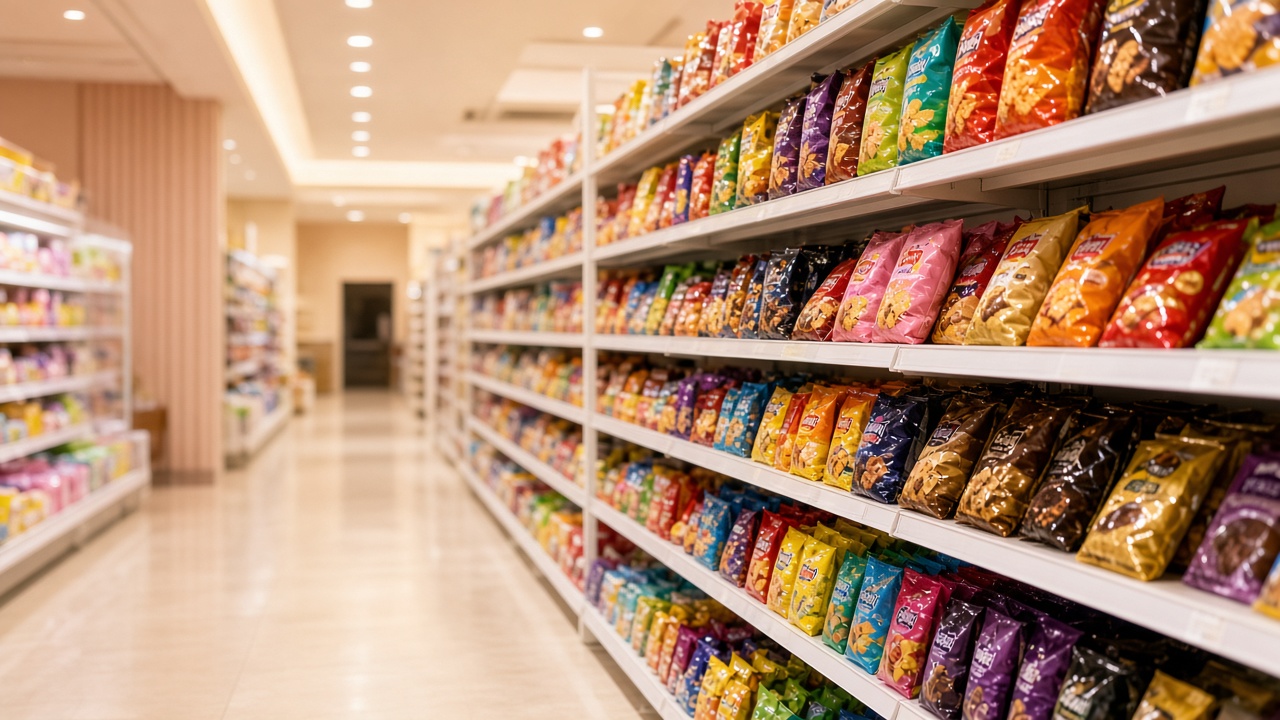
Ice and water are the cleanest cases. The trip is already on the lot. The national brand’s premium is often the label. A banner that can pack a reliable bag of ice or a cold single of water keeps the ring and the door. A simple salty snack in a single-serve that matches the coffee island is the next clean case. A foodservice bun or a house chili that never has to survive a grocery comparison is the kitchen version of the same idea.
Flavor-of-the-month clones are the dirty case. They need volume the convenience box does not have. They need a quality story the banner did not spend to build. They need a reset crew the store does not employ. When the national brand rotates the flavor, the store-brand copy looks late. When a Class I or Class II recall hits a co-packer, the banner owns the phone call. OpenFDA and FSIS do not care that the bag said “value.” The classification still applies.
Travel centers and jobbers
Travel-center banners have more footage and a longer dwell. That does not make them grocery. A house coffee, a house water, a house salty in a larger pack still has to survive the lot and the night shift. Jobber banners that share a mark have even less scale. The interesting programs admit that. They pick SKUs the group can receive on a route it already runs. They do not announce a 40-SKU store-brand aisle that assumes a commissary.
Public filers sometimes discuss merchandise mix and private-label contribution in 10-K language. When they do, the sentence is useful. When they do not, the fixture is still the evidence. A store-brand water on the door is a program. A store-brand flavor ladder that exists only in a sell sheet is not. Volume that cannot fill a DSD route is not a control tool. It is a sample pack with a banner logo.
The grocery exclusive is a different beat
A supermarket exclusive that never reaches a fuel site is grocery news. This desk will say so. Convenience private label that is actually on a cooler door, a checkout strip, or a travel-center aisle is the file. BLS food-at-home is the comparison set for the packaged SKU: the shopper’s reference price for taking food home. If the banner’s bag cannot clear that reference with a quality the regular will repeat, the control tool failed.
Own the trip. Own the SKU the national brand is overcharging for. Do not pretend the box is a circular. That is the whole private-label argument in this channel. A banner that wants a flavor ladder should first prove it can receive, restock, and stand behind ice, water, and a simple chip on the route it already runs.