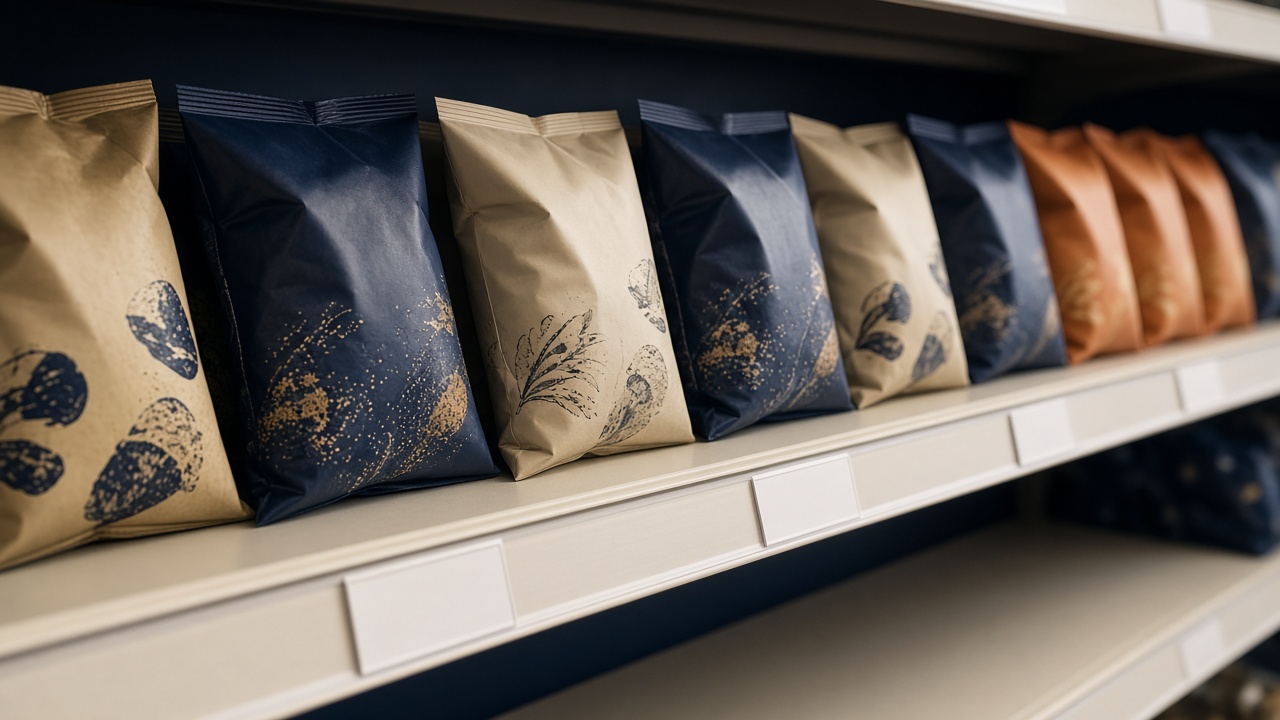
Food-at-home is the comparison set for the bag next to the pump
CPI food-at-home is not only a grocery print. Food-away-from-home is the roller-grill companion. Using one series for both writes a false margin story.
The Bureau of Labor Statistics publishes CPI food-at-home and food-away-from-home as separate series. Grocery trades treat the first as their inflation print. Convenience should read both. Packaged snacks and bottled beverages in a c-store compete with food-at-home — the shopper’s reference price for food you take home. The roller grill and the pizza program compete with food-away-from-home — food you eat now. Using one series for both is how a desk writes a false margin story and calls it inside sales.
The data is public and deep. It will not tell you a SKU’s cost. It will not tell you a facing’s turn. It will tell you whether the customer’s two reference prices are moving in the same direction. When they diverge, convenience foodservice and convenience packaged snacks stop being one merchandise line. The bag and the board are different fights that share a box next to a pump.
What the series actually measure
Food-at-home is the CPI cut for food purchased for consumption at home. Grocery center store lives there. So does the packaged snack a c-store regular treats as a pantry run. Food-away-from-home is the cut for food purchased for away-from-home consumption. Limited-service restaurants live there. So does a travel-center pizza program and a roller-grill ticket. BLS publishes both on a monthly schedule. Neither is a c-store index. Both are the comparison sets operators already compete against whether they name them or not.
A buyer who defends a single-serve salty with a food-away-from-home print is using the wrong companion. A foodservice director who defends a pizza price pack with food-at-home is doing the same in reverse. The shopper already knows the difference. The ticket is either going home or going into the cab. The series just names that split.
When the lines diverge
Weeks when food-at-home moves and food-away-from-home does not — or the reverse — are the weeks a convenience buyer has to stop treating inside sales as one number. A packaged snack that looked expensive against a quiet grocery print can look cheap against a rising away-from-home print, and still lose the impulse facing to a proven SKU. A kitchen that held price while away-from-home rose may have room. A kitchen that held price while away-from-home fell is giving away the ticket the gallon already brought.
Public c-store filers sometimes split merchandise and foodservice in 10-K language. When they do, the BLS split is the outside check. When they do not, the two CPI series are still the right way to read the box. EIA weekly retail gasoline is the trip driver. BLS is the inside comparison. They belong on the same working board. They are not the same print.
How this desk files the month
Read both series. Say which one is the companion for the SKU. Call the weeks when the split should change how a buyer defends a price pack on a four-foot set or a cooler door. Do not invent a SKU cost the CPI does not contain. Do not treat a grocery circular as the c-store reference price. The shopper’s reference for the bag is food-at-home. The shopper’s reference for the board is food-away-from-home. That is the CPG story that still belongs in this channel.
This title is not a fuel-retail paper. The bag and the board are why a convenience cooler still has to read a grocery inflation series — and why it also has to read the series grocery treats as someone else’s problem. Both prints land on the same lot. A buyer who can name which series defends the SKU is doing the job. A buyer who treats inside sales as one inflation number is not.